 Image 1 of 3
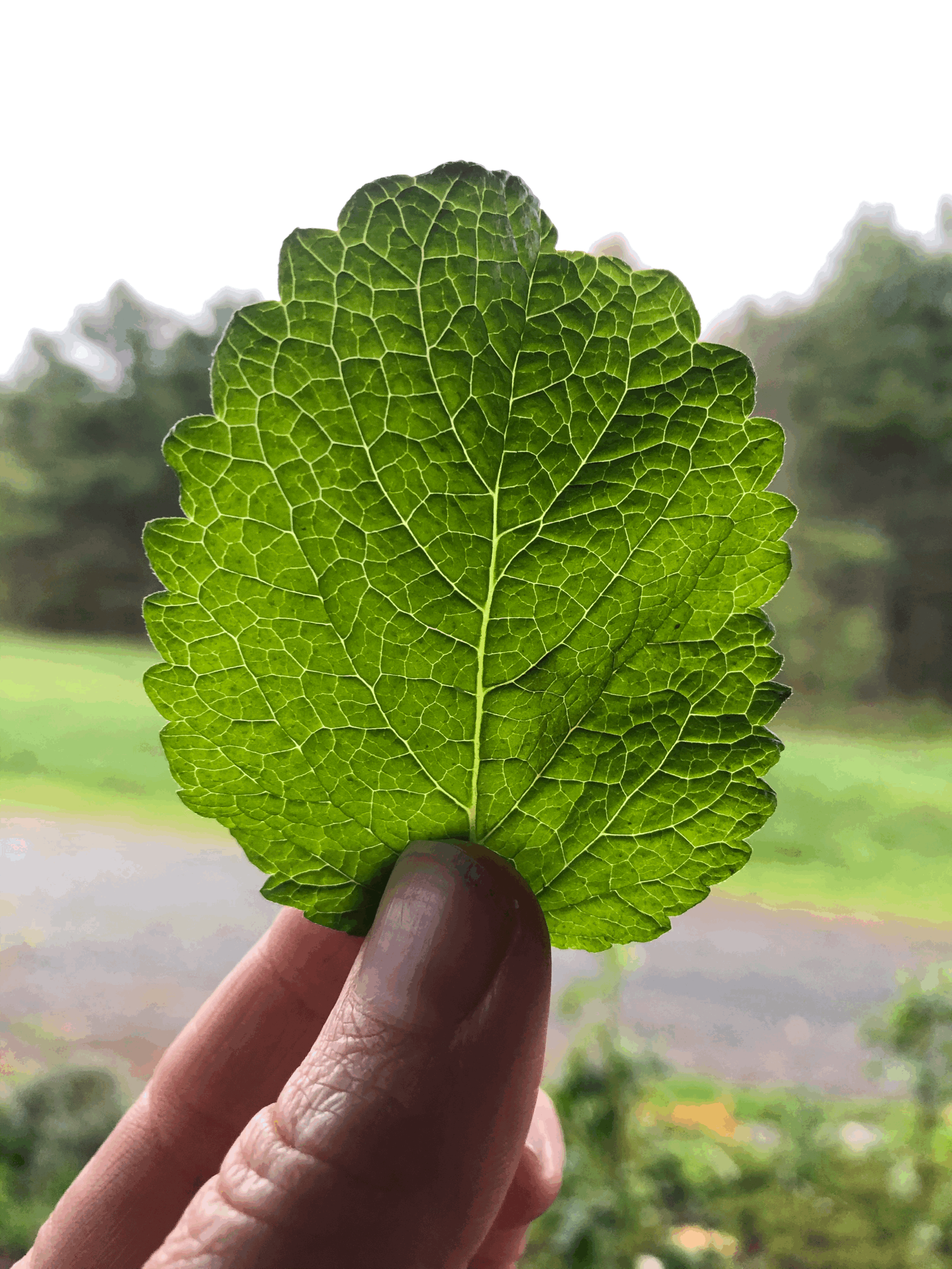 Image 2 of 3
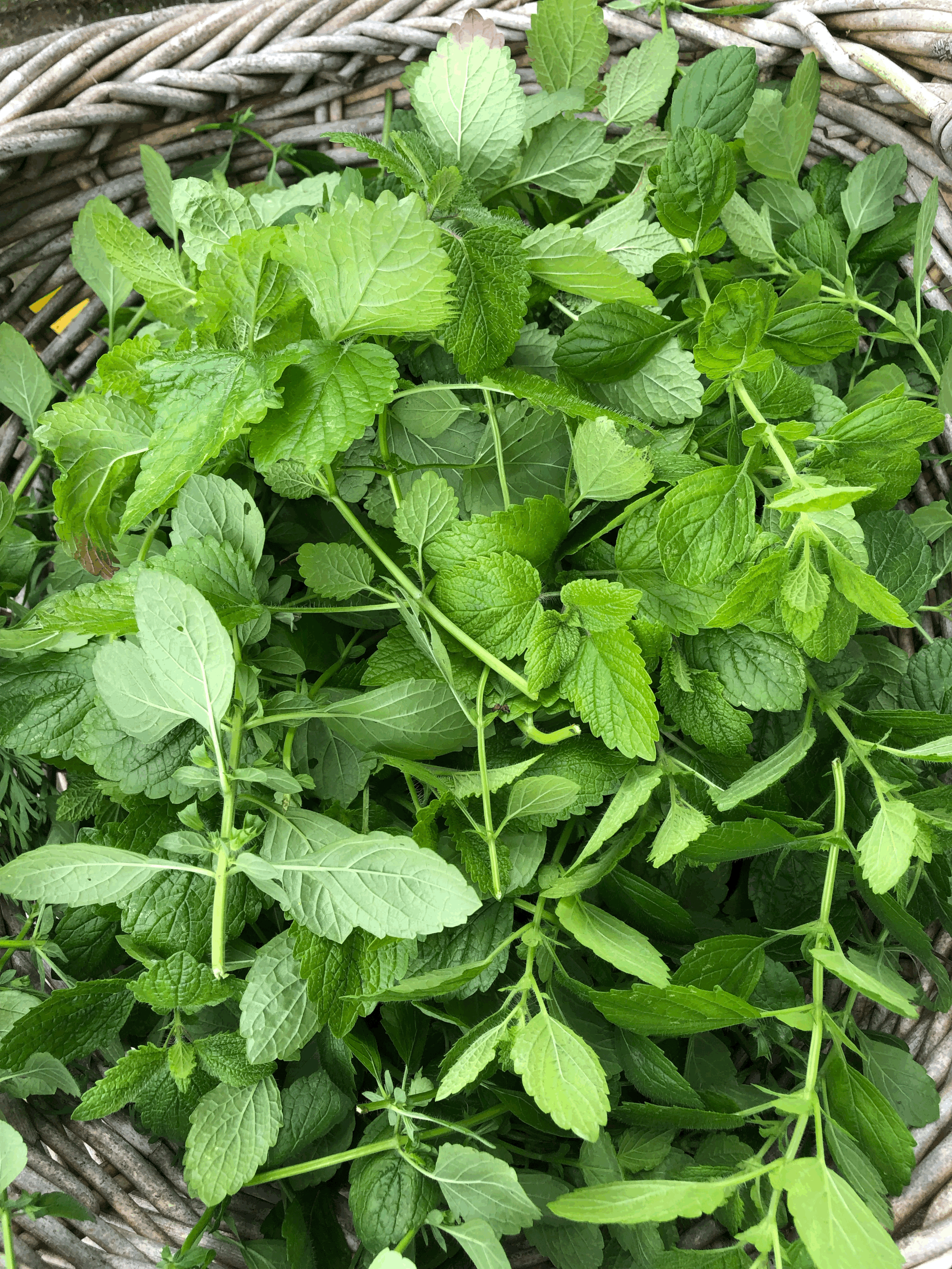 Image 3 of 3
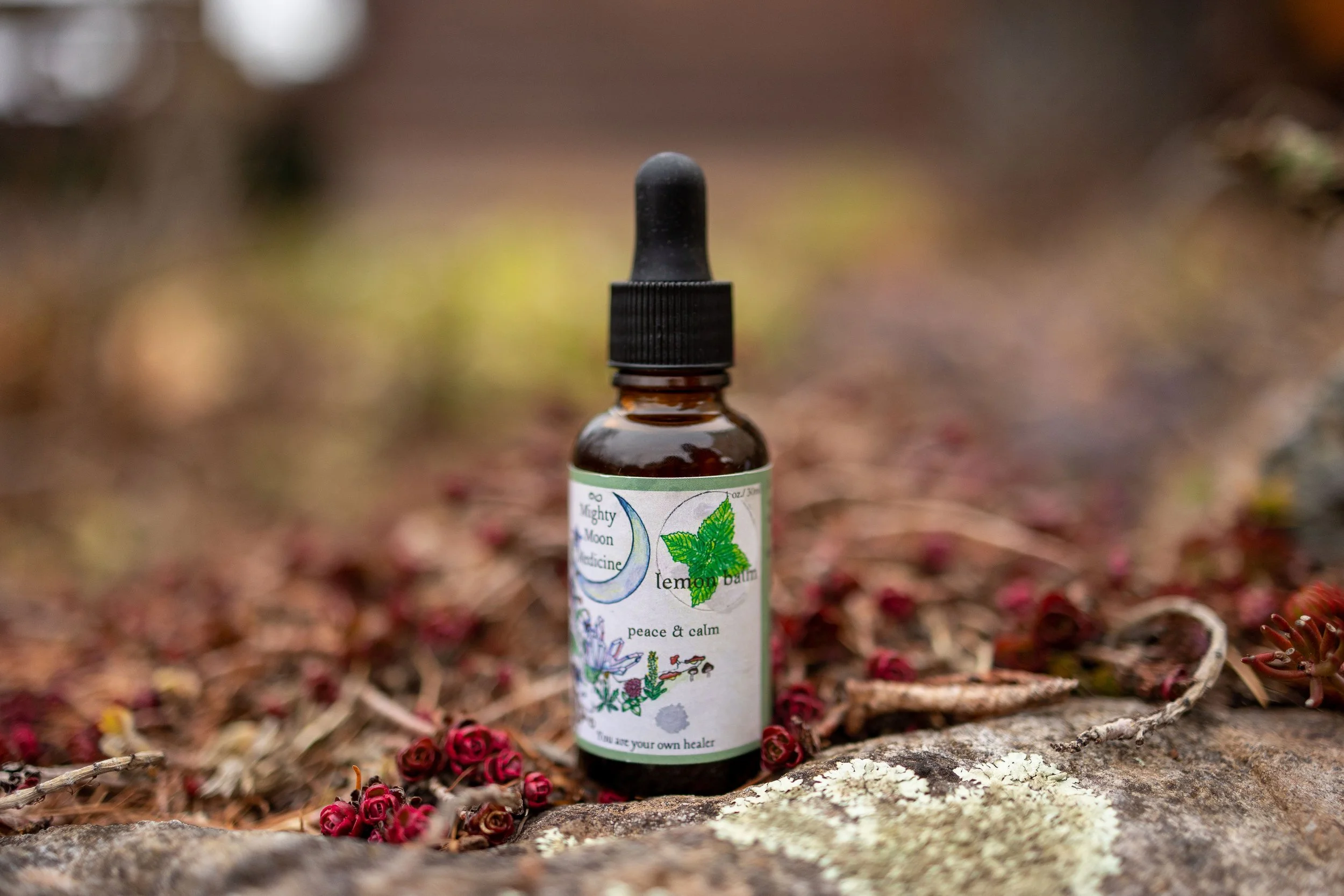
Lemon balm (melissa officinalis) is a joyous breath of relaxation.
Calms anxiety and nervousness: Lemon balm (Melissa officinalis) contains compounds that interact with GABAergic pathways, helping reduce feelings of anxiety, restlessness, and mild nervous tension. A tincture offers concentrated doses that can act faster than teas.
Eases insomnia and improves sleep quality: Many people use lemon balm tincture at bedtime to promote relaxation and shorten the time it takes to fall asleep. It’s often combined with other sedative herbs (e.g., valerian) but can be effective alone for mild sleep disturbances.
Supports digestive comfort: Lemon balm is traditionally used to relieve indigestion, bloating, gas, and abdominal cramping. A few drops of tincture before or after meals can soothe gastrointestinal spasms and promote healthy digestion.
Reduces stress-related cognitive symptoms: Studies suggest lemon balm can improve mood, focus, and cognitive performance when stress or anxiety is present, helping reduce mental fatigue and irritability.
Antiviral and antimicrobial actions: Lemon balm contains rosmarinic acid and other constituents that show antiviral activity, especially against herpes simplex virus. Topical applications are common for cold sores; tinctures may provide systemic support when used internally under guidance.
Supports hormonal and menopausal symptoms: Anecdotally and in some herbal traditions, lemon balm may help alleviate mild symptoms of hormonal imbalance such as mood swings and sleep disruption during perimenopause and menopause.
Mild antispasmodic and pain-relieving effects: Its relaxing properties can reduce muscle tension and mild cramping associated with headaches or menstrual discomfort.
Lemon balm (melissa officinalis) is a joyous breath of relaxation.
Calms anxiety and nervousness: Lemon balm (Melissa officinalis) contains compounds that interact with GABAergic pathways, helping reduce feelings of anxiety, restlessness, and mild nervous tension. A tincture offers concentrated doses that can act faster than teas.
Eases insomnia and improves sleep quality: Many people use lemon balm tincture at bedtime to promote relaxation and shorten the time it takes to fall asleep. It’s often combined with other sedative herbs (e.g., valerian) but can be effective alone for mild sleep disturbances.
Supports digestive comfort: Lemon balm is traditionally used to relieve indigestion, bloating, gas, and abdominal cramping. A few drops of tincture before or after meals can soothe gastrointestinal spasms and promote healthy digestion.
Reduces stress-related cognitive symptoms: Studies suggest lemon balm can improve mood, focus, and cognitive performance when stress or anxiety is present, helping reduce mental fatigue and irritability.
Antiviral and antimicrobial actions: Lemon balm contains rosmarinic acid and other constituents that show antiviral activity, especially against herpes simplex virus. Topical applications are common for cold sores; tinctures may provide systemic support when used internally under guidance.
Supports hormonal and menopausal symptoms: Anecdotally and in some herbal traditions, lemon balm may help alleviate mild symptoms of hormonal imbalance such as mood swings and sleep disruption during perimenopause and menopause.
Mild antispasmodic and pain-relieving effects: Its relaxing properties can reduce muscle tension and mild cramping associated with headaches or menstrual discomfort.